
The night is cold, but my skin is buzzing with the warmth of alcohol, and I don’t notice the clouds that cover the sky. My ears ring from the sudden absence of bass-heavy music and girls screaming the lyrics, hands lifting solo cups to the ceiling. A cluster of guys collected under a carport to escape the drizzling rain; my friend and I joined them and a conversation quickly started.
The conversation with Thomas had been going well. We had covered the usual questions—where are you from, do you play any sports, what’s your favorite color? He was cute in a classic American way—short-cropped dark hair and about 6’1”. His brown eyes were the kind that I could easily imagine in my little before-sleep pre-dream.
“I’m a business major,” Thomas says, or maybe his name was Trey.
I roll my eyes with a mischievous smile.
“Another business major? How many of you are there?” I say.
This was one of my go-to lines. Add a little smile and a flick of my hair and the response should be something along the lines of, “Is that a dealbreaker?”
Trey grimaces and sips his beer before answering.
“You can’t really talk. Creative writing isn’t a real degree,” he says. His tone is void of any flirtiness.
His swift change in mood causes me to take a step back. His smile is gone and he’s doing that thing guys do when they get pissed: brushing their nose right before losing their temper. Ego settled over his shoulders like a cape. As if I didn’t already know I had zip-tied my academic career to a dead-end major.
Our ride is here and my friend is stalling the driver to give me time to grab this guy’s number. Except, I don’t think I want it anymore.
“People don’t care about reading,” he says, needing me to understand how insulted my presence makes him feel.
“Okay,” I say and leave.
When I was blonde, I did not notice anything different in the way the world treated me. I had my share of bullies and bad relationships. I was confident in my appearance, not solely because I was blonde, though I took pride in that as well. I valued my mind and other attributes more than my hair, though my hair still brought me a great deal of joy, the way the colors mixed and striped, catching the sun in different shades.
I began highlighting my hair at twelve, right as it darkened into dirty blonde. With each round of highlights, it grew lighter, eventually reaching the inevitable platinum end. Seven years of being blonde had a lasting effect on one’s mental image–over time it became a pivotal part of how I navigated the world.
The image I had of myself aligned with the stereotypical dumb, funny, and cute golden-haired gal. Let me preface that I stand in solidarity with those who are still blonde, natural or otherwise. I think this double standard affects all genders as well. This is not an attack on blonde individuals or people who see blondes as desirable. I find more fault in the actions that are produced from the desire than the desire itself.
When you think of a platinum-haired star, you probably envision Marilyn Monroe, but she wasn’t the first. Jean Harlow was the leading sex symbol of the 1930s, known for her numerous “bad girl” roles in film. Her blonde hair was not her own choice. Her stylist decided to grant her a moniker to make her distinguishable from other actresses, a standout feature to entice the audiences. Something to sell. Her stylists chose Platinum Blonde because it was a color no one could replicate unless they wanted to inhale poisonous gas and risk going bald.

Hair has always been an important status symbol. Hair has been used to elevate some and, in the case of Black America, segregate others. The ‘dumb blonde’ stereotype has had a much bigger effect on society than many of us might realize. A ‘dumb blonde’ can insult anything and get away with it because “She’s so dumb she didn’t mean anything by it” and “I can question her intelligence because she’s blonde”.
I pondered the party incident for longer than I would like to admit. Had I delivered the line too aggressively? Was he just a mean guy, hailing from the usual group of asshole men that couldn’t handle a girl who didn’t salivate at the mere sight of masculinity? Question after question tumbled through my head until I was exhausted from thinking about it.
I talk the same way to guys, but it is not endearing or sexy anymore. Instead, I am a bitch and a bully. But I am not the stereotype of sex appeal. My snappy comebacks are not flirty or cute anymore.
I settled on the conclusion that blonde is bright, blonde is ditzy, and blonde is excusable.
Clueless depicts a dumb girl who just loves fashion and boys, and being blonde is pivotal in that. Legally Blonde centers around a girl so overrun by the blonde stereotypes that she feels she must prove she is more than her hair. Mean Girls has the blonde bitch, who gets away with it because she is hot, and the dumb blonde, who gets away with it because she is dumb. Gretchen Weiners, in her glorious brunette mundanity, is just a try-hard addition to the group.
If Taylor Swift changed her hair from blonde to black, just because she felt like it, would the world be okay with it? Would they still love her for all she is? Britney Spears. Paris Hilton. The Olsen Twins. All are powerful blonde women who are renowned for their sex appeal first and their talents second.
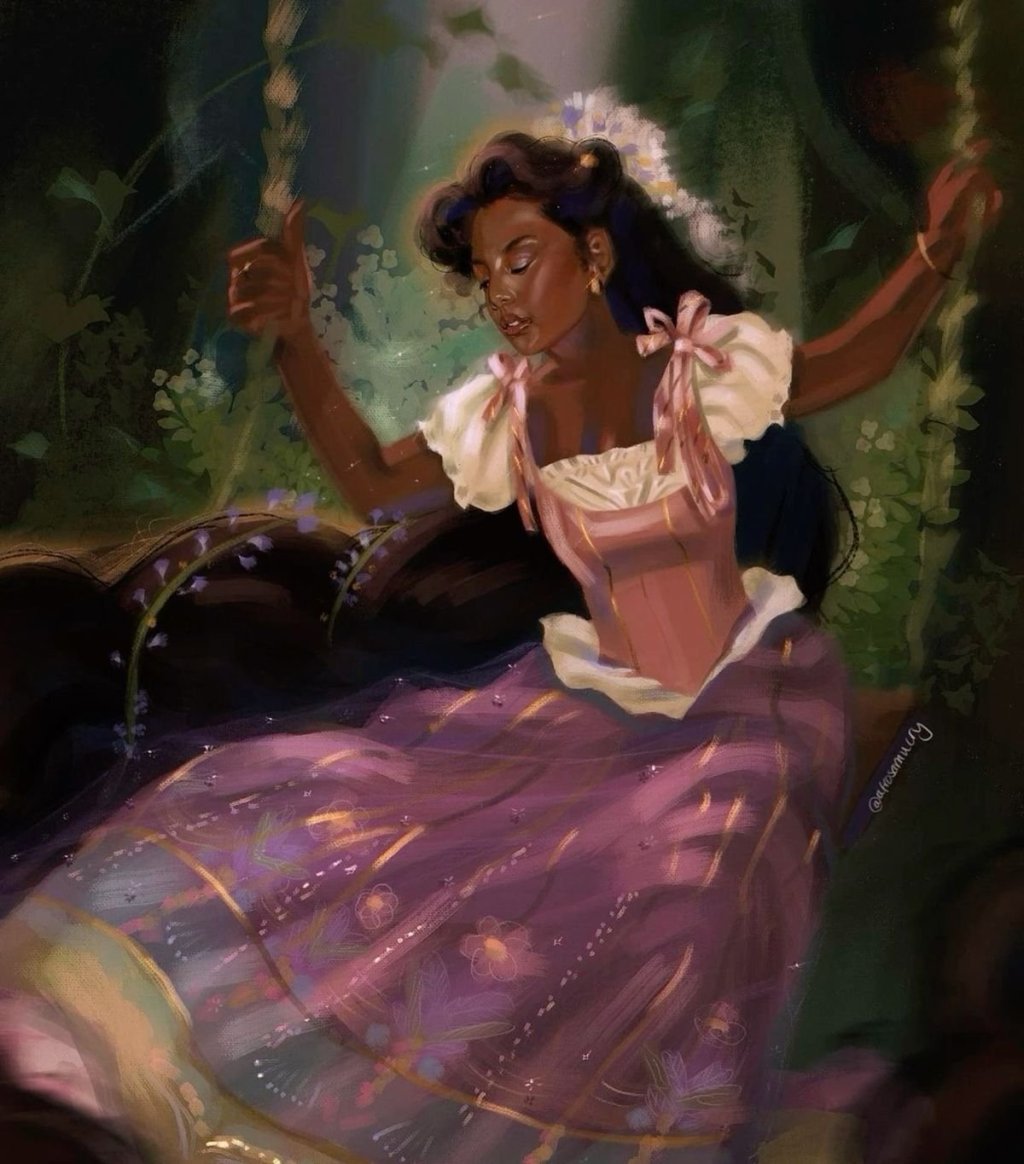
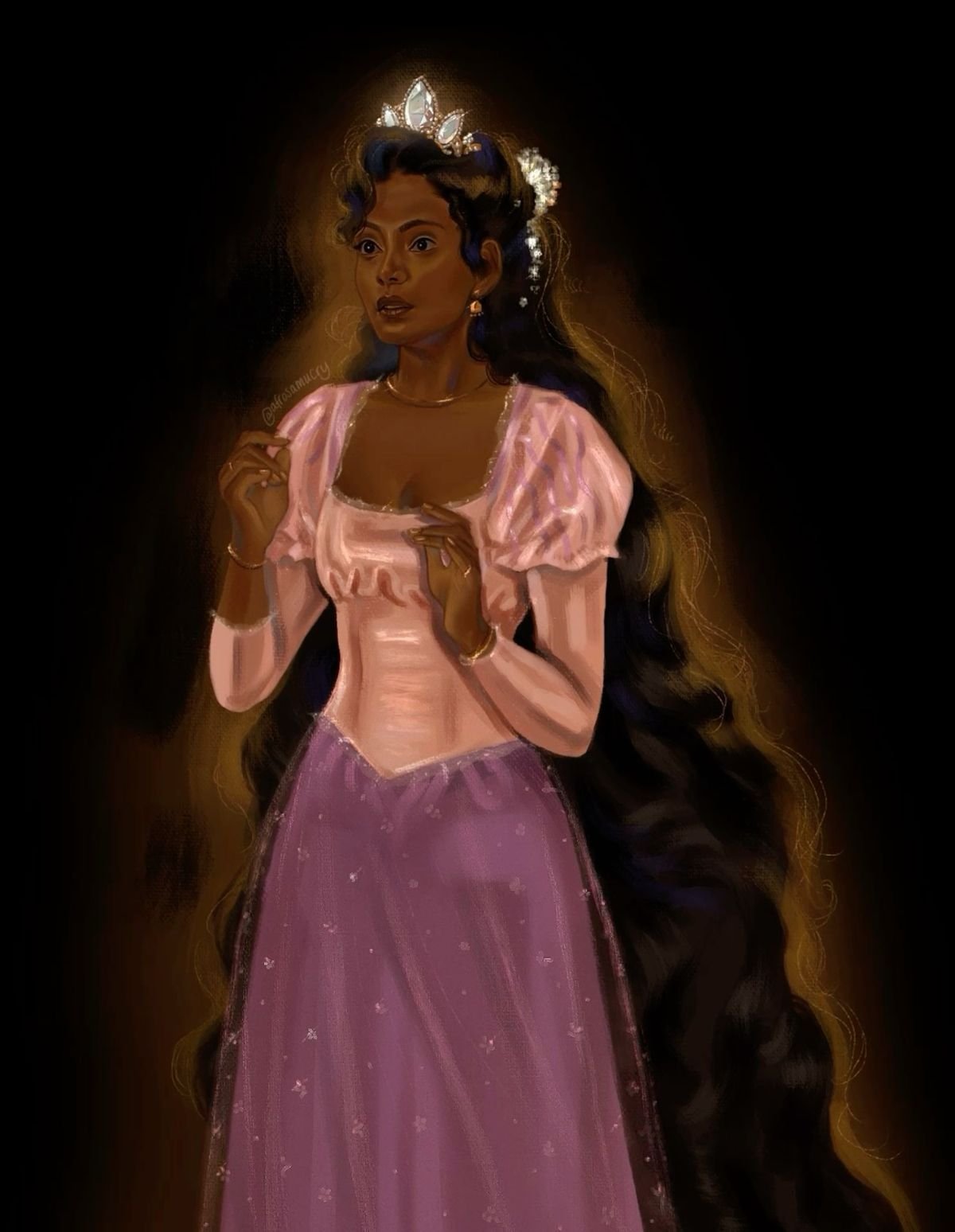
In the original story of Rapunzel by the Brothers Grimm, her hair is described as spun gold. Why can’t the flower ever be red? Or blue? Or brown? I want a Rapunzel whose mother ate a magic acorn, and her baby came out with long, luscious, flowing magic-enhanced brown hair. Even Helen of Troy is depicted as a blonde despite being Greek.
Because when you are blonde that is all that you are.
You can be a blonde athlete, a blonde girl in the back row, a blonde straight-A student, a blonde daughter, blonde best friend, but all they will ever see is blonde. Blonde will always come first.
I had unknowingly used these preconceived notions to my advantage for years. I had insulted and mocked guys and not known that my words had the potential to be hurtful because as a blonde they were perceived as fun and cute.
We market the idea that a blonde is rich and alive and desirable and a brunette is just a brunette. Brunette is mean. Brunette is jealous. Brunette is always longing for something she can’t have.
There are so many avenues to research blondeness, but it all comes down to the idea that our Western society has decided blonde hair is worth more. Worth more compliments, money, forgiveness, excuses, and attention.
I think what gets me, what tears me up inside, isn’t the way men react to me. I could care less what they think. What twists my heart is the way I had been coasting through life, thinking everyone just loved who I was when in reality, they could not have cared less. I was blonde. I was pretty. I was sex.
When it comes down to it, I was never liked because of my witty words or the clever way I saw the world. I was liked because I looked like someone the world had convinced everyone to love.
And it is this admission that makes tears prick in my eyes. If I am not loved for anything beyond a fake identity, one I did not even choose for myself, an identity I did not even know had been forced on me, then what am I loved for?
I changed my hair. Ran as far from the blonde as I could get until all that was left were old Instagram pictures. I am still running from the blonde. There are still moments when I glance in the mirror and am surprised to see red hair blazing back at me rather than golden waves. There are times when I think of myself and imagine gold where there is now mahogany and red velvet.
I imagine Rapunzel with rich black strands trailing down the tower, mixing with the ivy crawling up the old stones. Everything in the story remains the same except this one detail. Would that prince have been as enraptured by her beauty? Would he have climbed the tower and risked the wrath of the witch to reach her? I can’t be sure that he would have.
I’ve been missing my blonde hair recently. And I have often thought of going back to being blonde, but I cannot consider changing my hair without also considering all the implications it will bring. Being blonde is knowing the stereotypes and agreeing to shoulder them. I am beautiful in a different way now. I am beautiful in my choices: how I dress, how I talk and joke, how I decide to view the world. There is more to me than my hair; there always has been.

 THE 20-SOMETHING FILES.