

It’s 6 a.m., and the light from the window by my bed is accompanied by the soft hum of a hymn from my Mawmaw as she comes to wake me up for church. I had spent the night before up past 1 a.m. on Wattpad finishing a 5SOS story, silently hoping it wasn’t bad enough to keep me out of Heaven, especially since I had technically read it on a Sunday.
At church, I’d sit in itchy stockings, clapping and singing along with the choir—almost happy to be there until the sermon started. Full of judgment instead of guidance, from the mouth of a man I wasn’t convinced even believed in what he preached. It always ended the same way: asking for money.
In Jesus’ name
I’d watch people shout, speak in tongues, and share how they put their struggles in God’s hands, and it all worked out. I wondered why He never seemed to talk to me. Maybe I couldn’t hear Him. Maybe I wasn’t worth speaking to. I faked it for years, chasing the rush of the Holy Ghost. For all I know, it was just adrenaline from the organ and the wailing of church elders.
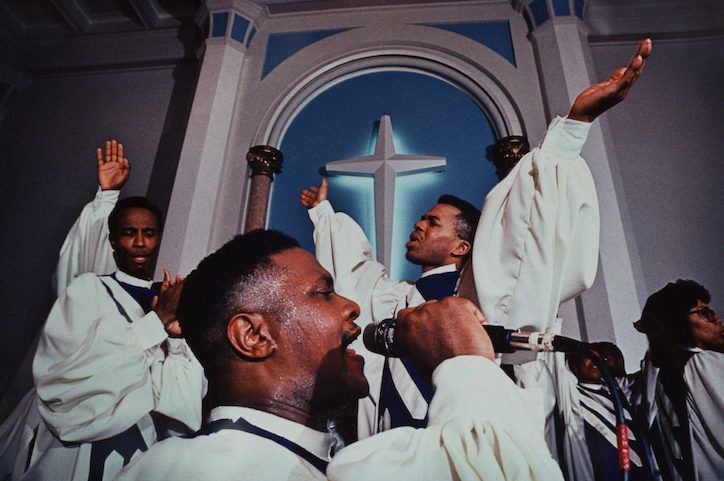
When I finally decided nothing was wrong with me, I was still left wondering what was happening with everyone else.
The Doctrine vs. The Desire
I only ever knew the church growing up. Southern Baptist, through and through. In the small town I grew up in, churches were as common as a Dollar General. My paternal grandfather is a preacher. On that side of the family, Christianity is more than a belief. It’s their identity, the law and legacy left behind.
I got baptized because it was expected. A spiritual rite and social reward. Everyone in church would be proud of me, and I’d escape an eternity in Hell. A win-win, right?
Except it felt like more things could send me to Hell than salvation could save me from. “God, forgive me, for I have sinned,” I scribbled into my diary in red crayon at age seven. And when I say anything, I mean anything.
Sleeping in. Getting seconds of dessert. Listening to Beyoncé or Hozier. Thinking about sex. Having a crush on a girl in my class.
Like—damn! What could I actually do for God to still like me? Because He’d already proven His love by dying on the cross, and somehow I still felt like I was failing Him.
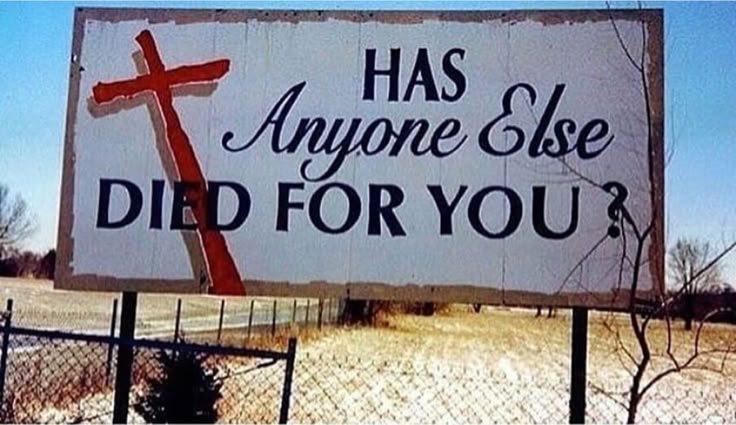
My pastor told me things like music, desire, and doubt were worldly and not Godlike. But his son was away at college doing everything he preached against: partying, drugs, and hooking up. The church still loved him.
I tried to live like the “saved” people I saw, but they sinned just as much, if not more, than me. That’s when the jig was up. The veil was starting to slip, and my questions started to outgrow the rehearsed answers I was handed.
When Faith Stops Fitting
I wanted God to work for me the way He seemed to work for others. I wanted to feel chosen. But the guilt that came with even wondering if He was real sent me spiraling into a quiet, mournful deconstruction.
I started to look at the Bible like mythology: answers from another time, meant to explain what seemed unexplainable. I don’t hate that. I just hate when those stories are used as justification for silencing, policing, or hurting people.
How do you say “this hurts me” when everyone around you calls it holy?
Faith, as it was taught to me, had no room for doubt, but doubt was the only honest thing I had. I thought I was losing God, but I was only losing the version I had been sold. The version that came with shame and certainty, but never room for error or even to take a breath.
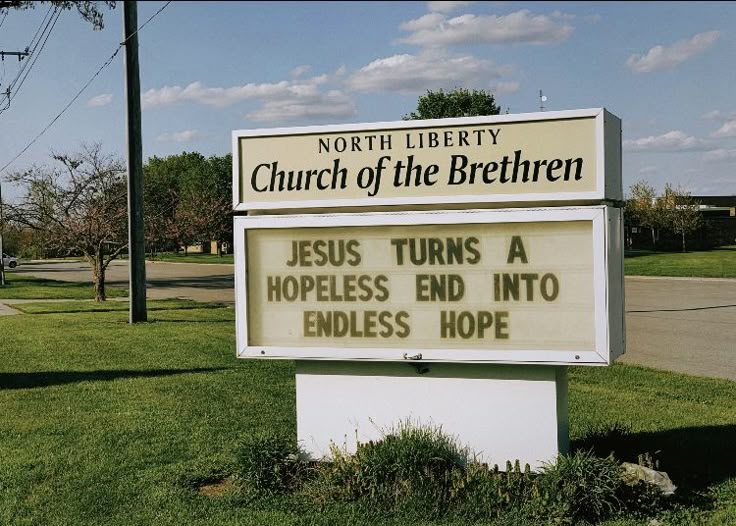
Anthony Pinn once said, “We Black Christians can be trained to hold suspect any of our natural yearning.” Suandria Hall calls it what it is, ‘Adverse Religious Experiences.‘ Any experience of a religious belief, practice, or structure that undermines an individual’s sense of safety or autonomy and/or negatively impacts their physical, social, emotional, relational, or psychological well-being.
What I Miss
I loved gospel music. Still do. That down-home, foot-stompin’, tambourine-shaking, choir breakdown kind of gospel. The slow hymns, too, especially when it feels like second nature when you’re feeling low.
I loved the candy from the church mother, the hugs from the pastor, and the cake from the kitchen before service. I didn’t know those same people would eventually go quiet when I came out, or start their sentences with “I love you, but…”
I loved the rhythm of it all. Before I knew what judgment was. Before I realized, people could weaponize scripture and hide behind it.
They treat “let he who is without sin cast the first stone” as a suggestion (John 8:7). But Leviticus 18:22. That’s the one they memorized.
When I left Christianity, I didn’t just lose a belief system. I lost a community. And if walking away from faith came with half as much warmth as entering it, maybe we’d have fewer people walking around wounded with nowhere to go.
My impostor syndrome? It was planted early, not in college. I believed God put me in rooms. Not me or my skill. So when I let go of God, I let go of my permission to belong. Being present started to feel like trespassing.
I Am Not Alone
According to Pew Research Center, 44% of Gen Z have left the religion they were raised in. The most common reasons? Disbelief in doctrine, anti-LGBTQ+ teachings, mental health strain, or good old-fashioned hypocrisy.
Only 21% of Gen Z say religion is “very important” in their lives, but that shouldn’t be confused with emptiness for the others. We still crave connection. We still seek a moral compass. We still believe in something, even if we don’t always know what to call it anymore.
Our generation is building its own sacred spaces. Through art, in therapy, with friendships that feel more like family than those you share DNA with. We light candles for our ancestors. We host tarot nights and book clubs, allowing the space to share how they internalize a certain passage.
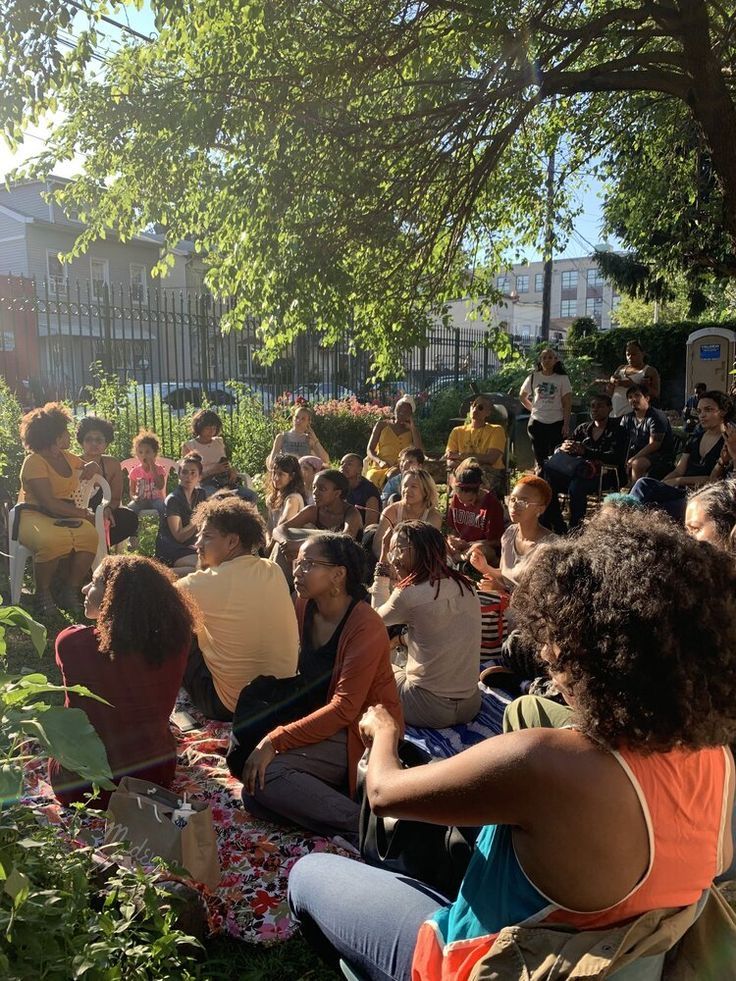
Rachel Held Evans wrote in Faith Unraveled, “Faith isn’t about being certain. It’s about wrestling.” I think plenty of us are still in the ring. Fighting to hold onto what felt good, without dragging the pain along with it.
Where I Stand
If I had to put a name on it, I’d call myself an agnostic theist. I believe something’s out there. Maybe a god, maybe many. But I don’t pretend to know for sure, and I won’t conform to the idea that anyone else does either. I’m not disconnected from spirituality. Not even Christianity. Maybe it’s intuition. It might just be me talking to the wind. Whatever it is, it makes me feel good about the life I’m building.
I’ll still accept prayers. My Mawmaw prays for me every night, and I’m grateful. That’s her love language. And I receive it with my whole heart.
I’m not trying to get anyone to leave their faith. I’m not trying to convince anyone to return. I just want people, wherever they are on their journey, to be offered the same tenderness we give to those healing from any other kind of trauma.
For me, faith gave me certainty. Leaving it gave me questions, but more importantly, the audacity to ask them.

 THE 20-SOMETHING FILES.