

I have always been a weird girl. It is just the truth. I have had bangs, a passion for emo music, and an affinity for poetry since I can remember. Weirdness has always been in my bones.
Recently, being the weird girl has become cool. Or, more accurately, romanticized.
Looking into the weird girl tag on TikTok brings up the overlapping “quirky girl” and “manic pixie dream girl” tags. It seems like the coolest girls you know want to embody Zooey Deschanel and watch Dinner in America. The identity has moved into the aesthetic realm, which, in turn, makes it attractive and commodifiable. It is identifiable; there are media and physical characteristics that are categorized under the aesthetic.
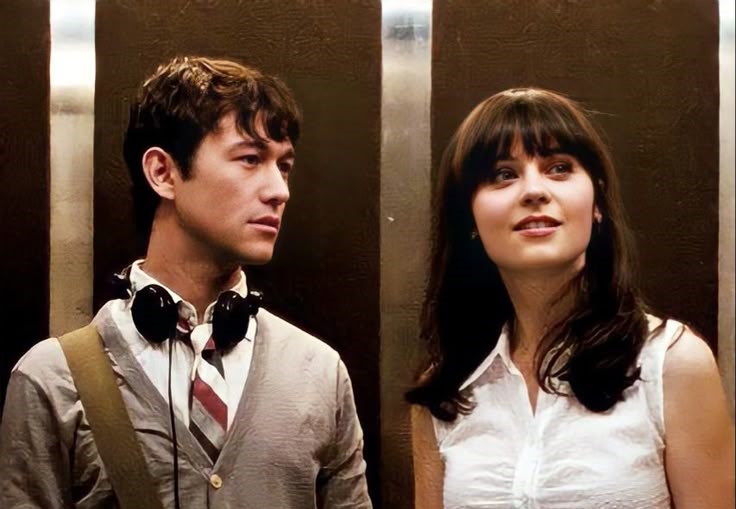
Further, the issue finds its roots in whiteness and patriarchy. Weird girl romanticization is a way for men to claim interest in the personalities of women while continuing to objectify their existence. White women dominate popularly praised weird girl media, while women of color are pushed out of the mainstream. Both of these systems act as vehicles that shape popular culture’s views of specific identities. Consequently, weird girls fall victim to these views, get reduced to an aesthetic, and are thus objectifiable.
There is nothing wrong with existing as a weird girl. However, there is something wrong with a culture that reduces them into objects of aesthetic desire.
I personally reject the romanticization. I do not reject weird girls but rather reject the culture that patronizes them because I have found myself threatened by this idealization.
For the past three years or so, I have experienced cyber harassment that impacts my ability to exist as a weird girl. A former friend confessed his love for me; I did not reciprocate, and the friendship ended. The attempts to get my attention, however, did not.
This person has made anonymous Twitter accounts to send message requests, left voicemails after being blocked, and more. All the messages are eerily similar. I look at the moon and think of you, I listen to jazz and think of you, you remind me of the essence of autumn, I will miss you forever, etc.
It seems the poetry readings and rock collecting have given way to the commodification of my existence. There clearly is a part of me that must yearn to be yearned for based on how I am being treated. There is no recognition of my personhood in any of the messages, only metaphors and idealistic imagery.
Of course, I am not going to change myself. I couldn’t if I tried. But for safety purposes, I have genuinely thought about avoiding the readings that I help host or limiting my social media presence. Even writing this article could garner more unwanted attention. But these are things that I both enjoy and consider part of my career.
I know I did not ask for this, but as I watch girls on TikTok show off their colored tights, I worry popular culture is allowing this to happen to me. It seems the more clips of 500 Days of Summer that float around, the greater the idea that weird girls exist to be perceived, judged, and desired. Or even that they want this kind of treatment because of how accessible and viewable this content is becoming. I am sure what is happening to me is not unique; it is a product of popular culture.
That leaves a sour taste in my mouth. Yes, I will not change myself, but does that mean I have to accept the harassment that comes with this self-expression as an inherent consequence? I can block the harasser and delete the messages, but there is residual guilt and fear that I can’t shake off.
Instead of putting myself under the aesthetic microscope, ready to cut away, I remind myself of my humanness. I am mean sometimes. I have made mistakes, and I have curled up at 3 A.M. in the bathroom holding tissues to my leaking nose because of my allergies. I do not stare longingly into the night. I gleek, vacuum my bedroom, and snore. I am like everyone else, and no one should be romanticizing me because no one should be romanticizing anyone. Let the moon be the moon. Let me be weird in peace.

 THE 20-SOMETHING FILES.