
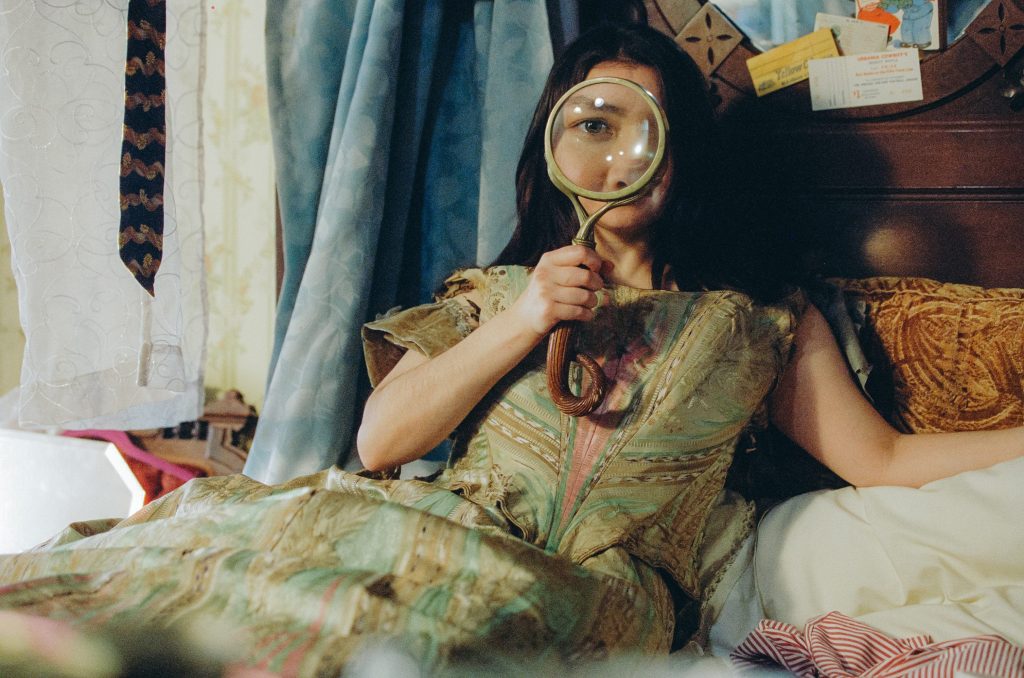
I always found that Mitski’s album releases work as a flashpoint for the music industry as a whole. Even before her ascension to the mainstream with “My Love Mine All Mine” finding itself on the Billboard Hot 100 and in millions of TikTok videos, Mitski has always been “famous.” As “indie” becomes less of a specific ethic and more of a “sound” and a “vibe”, Mitski has been one of the reigning, if not the reigning, queen of it. Indie doesn’t describe this independent artist, outside of the mainstream gaze anymore. If it did, then Mitski in Washington D.C. alone wouldn’t have multi-day tenures at venues reserved for the likes of Olivia Rodrigo or legacy rock acts like Foo Fighters, and she wouldn’t have most music magazines waiting for the day that her record drops after it’s announced. Beyond the swell of positive reception her records often arrive to, the conversation about how “stressful” her fans are runs rampant. I always found that her music awakens that mottled heartbreak and yearning for that specific demographic of bisexual girls with boyfriends and a Bachelor of Arts in psychology. But so many years removed from Punisher and Be the Cowboy makes me wonder if that formula of forcing you to your intensive yearning will remain strong as we push 30 and should probably take better care of our mental health.
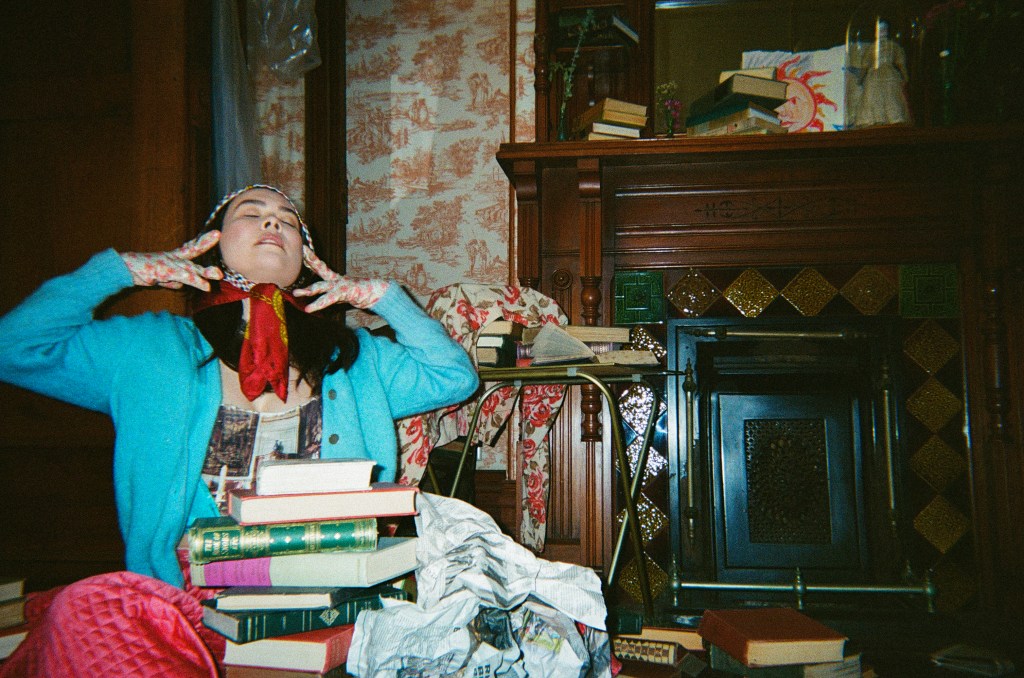
Nothing’s About To Happen To Me arrives at an interesting time in her career, the part where her albums don’t thrill and surprise as much as her magnum opuses but still be long-lasting through her sheer talent as an artist and a songwriter. Similar to her previous outing, The Land Is Inhospitable And So Are We, she pairs her translucent observations on the messiness of fame and the deep despair of loneliness to an Americana sheen—less of the golden wheat fields that you would see from Ethel Cain but the pastoral sounds from someone who had called Nashville their home for the better part of the decade. It’s a fitting sound for someone who wants domestic bliss and a reprieve from the overstimulation of life, with the conceit of conjuring The Yellow Wallpaper.
“In a Lake”, the record’s opener, has Celtic banjos and horns egressing the speaker to a small town where she plans to lay her head down for rest, but spends her new home being swallowed by the past and claustrophobia, where you can’t walk to the local grocery store without seeing someone you once loved. Despair seeps from the water-damaged hardwood that the woman and her many cats in the album dance on, and the record walks you magically through a tightrope of disparate sounds: light and dark, soft and loud. “In a Lake”’s gentle touches give way to a cacophony of car and trumpet horns, leaving you to collect your marbles as the frantic guitar fuzz of “Where’s My Phone?” begins to overwhelm you. Even if the lyrical themes can seem trite—it’s another record of a woman burned by fame running away—there’s a bit of panache in most of the music that keeps you engaged.
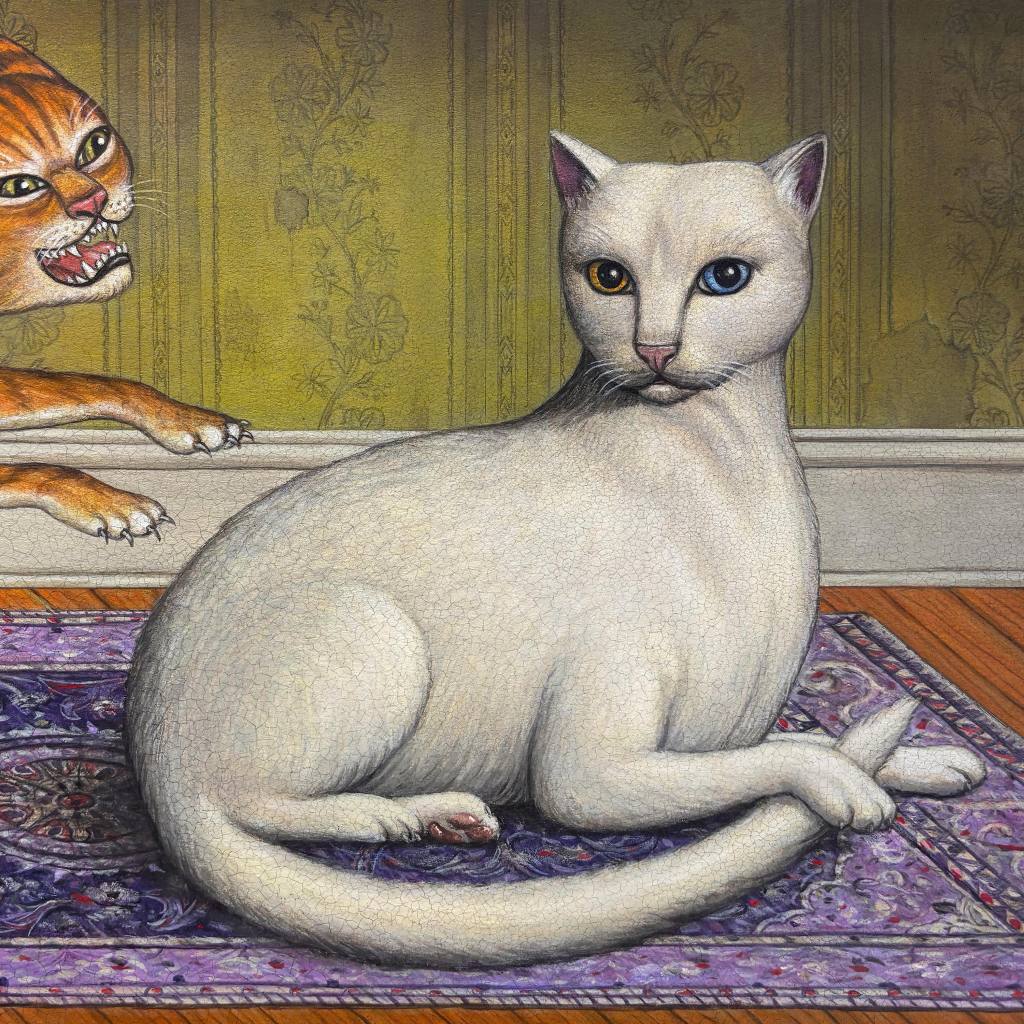
“That White Cat” has some of the most expressive movement that we’ve heard from her in years, even if it does strain under the melodrama, while “Dead Women” has the strongest eye towards that aforementioned perennial theme. As Mitski’s crown jewel, it scrapes against the reality that these same people who “want so much from her” are the same people who keep food on her table. Considering how her own Wikipedia page has an entire section on “her views of her fanbase,” it makes her desire to run away even more sensible.
Nothing’s About To Happen To Me speaks eloquently to our current times, not something trite as “home ownership” but how stillness and taking stock of your emotions is something we’re all learning in an era hellbent on shoving content down our throat. There’s something for Mitski fans here from all eras: “Your Best American Girl” and most of Bury Me At Makeout Creek can be found at the more punk rock cuts like “If I Leave” and “Where’s My Phone,” while those who preferred her delicate folk and Americana can lounge with the rest of the songs. Her songs now don’t thrill as much as they did before, as it is a bit easier to pull out your soul when a wall of guitar distortion or a pop-disco eruption does it for you. I argue that the lack of immediacy here is a virtue; sometimes the best type of music is the kind that forces you to languish in your own thoughts instead of telling you exactly what to feel.
My favorite song on the album, “I’ll Change For You,” captures what I love about Mitski’s artistry, and what makes her stand out against the rest. With smoky bossa nova, Mitski sings longingly about how she doesn’t feel herself in a bar, but goes to people-watch, and how, in her drunken stupor, all she thinks about is something that is gone. Her vocals take a step back to let the songwriting shine. After all these years, she knows longing and the sheer terror of love like the back of her hand.
Does this album offer a reprieve from the recession pop era we’re in? Most of the music today declares that the end of the world is better greeted by frying your brain through transcendence at the hands of a DJ than on your own terms, in your own dusty house on a land and with someone you can call your own. Additionally, in an era where artists might seem like they have to reinvent the wheel every record cycle or have to drop bangers after bangers, Mitski settling into a Sade or Beach House-like glow where she doesn’t need to break a formula that has worked for years is almost a declaration on its own. At its core, Nothing’s About To Happen To Me, like most of the good music in these shitty times of ours, acts as a salve for the mental neuroses we endure every day, and also as a necessary response to that one month where the people’s princesses were being surprisingly ailurophobic. The record rarely thrills as much as her best albums—that run from Bury Me At Makeout Creek to Be the Cowboy—but again, does every record by an artist have to?


